
Italy is increasingly becoming a sought-after destination for international individuals looking to retire, invest, work remotely, or reconnect with their family roots. But while the appeal is undeniable — from the Mediterranean lifestyle to the cultural heritage — the legal process for relocating isn’t always simple.
Whether you're considering moving for personal reasons or business opportunities, understanding the pathways to residency or citizenship is essential.
Principal Legal Avenues: Residency vs Citizenship
There are two primary legal routes for non EU nationals seeking to live in Italy long term:
Each route has its eligibility criteria, documentation demands, and plausible obstacles.
Residency Options for Living in Italy
Non EU citizens generally need a national visa from an Italian embassy/consulate first. After entry, they must apply for a Permesso di Soggiorno (residence permit) via the local immigration office
(Questura). Common visa types include:
Elective Residency Visa
For financially self sufficient individuals (retirees, digital nomads). Requires proof of stable, sufficient income (in many cases around €32,000/year) and proof of housing. This visa does not permit working in Italy.
Golden Visa (Investor Visa)
Designed for significant investors who wish to contribute to the Italian economy. Eligible investments can include:
This visa offers a relatively streamlined route to Italian residency and potential access to broader benefits.
Employment & Freelance Visas
For professionals, remote workers, or those transferred by foreign companies. Requirements involve proving contracts, qualifications, and sometimes negotiation with regional authorities.
Family Reunification / Cohabitation Visas
Close family members (spouse, children, sometimes dependent relatives) of legal residents can apply to join them in Italy. The process varies depending on local regulations and the status of the resident.
After entering Italy, the applicant must complete the Permesso di Soggiorno procedure, submit required documents, and attend biometric appointments.
Paths to Italian Citizenship
Italy offers several paths to citizenship, each with its own criteria:
Citizenship by Descent (Jure Sanguinis)
If you have Italian ancestors and the chain of citizenship hasn’t been broken, you can apply for citizenship through consulates abroad or in Italy. Some applications — especially when descent comes through a maternal line before 1948 — may require judicial confirmation through Italian courts.
Citizenship by Naturalization
Non EU citizens can apply after typically 10 years of continuous legal residence in Italy (reduced under some conditions). EU citizens may apply sooner (4 years). Language proficiency and clean legal record are often required.
Citizenship by Marriage
Spouses of Italian citizens may be eligible for citizenship after 2 years of marriage (or 1 year if residing in Italy). Residency and language tests usually apply.
Practical Challenges and Bureaucracy
Prospective applicants should be aware of common obstacles:
Given these complexities, many opt to work with legal practitioners specialized in immigration law who are familiar with cross-border documentation, local nuances, and appeals.
JOBWINGS33 helps you evaluate and select the best career path to meet your financial needs.
For individuals interested in working or studying abroad, we facilitate the process by first identifying suitable universities for international students or companies hiring foreign talent, and then connect you with licensed immigration experts to manage your mobility and immigration process.
Final Thoughts
Relocating to Italy is an increasingly popular dream — whether for lifestyle,heritage, or business. But executing the plan correctly requires understanding the legal framework: both for residency and citizenship. Each path carries distinct conditions, procedural steps, and potential hurdles.
If you’re seriously exploring a move, begin by verifying your eligibility, understanding required documents, and mapping out timelines.
Reliable guidance and early preparation can make a substantial difference.

Our December global immigration recap includes the latest on Australia’s Subclass 186 TRT Visa re...
Read more →
One of the most common questions we receive involves students who hold a valid study permit for o...
Read more →
The Immigration Minister of Canada made a momentous announcement concerning the immigration syste...
Read more →
In a major policy development aimed at strengthening New Zealand’s seasonal workforce, Immigratio...
Read more →
Are you an experienced professional who is interested in applying for Canadian work permit? ...
Read more →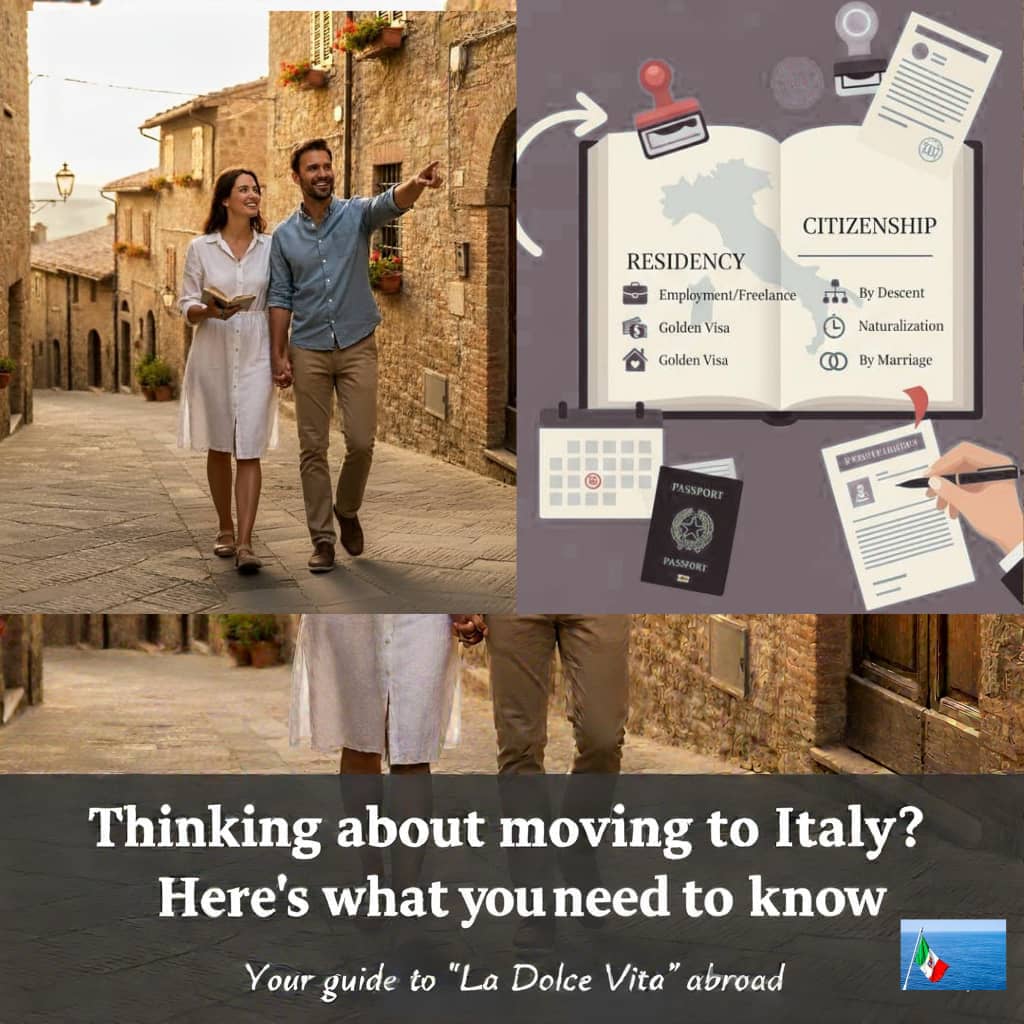
Loading comments...